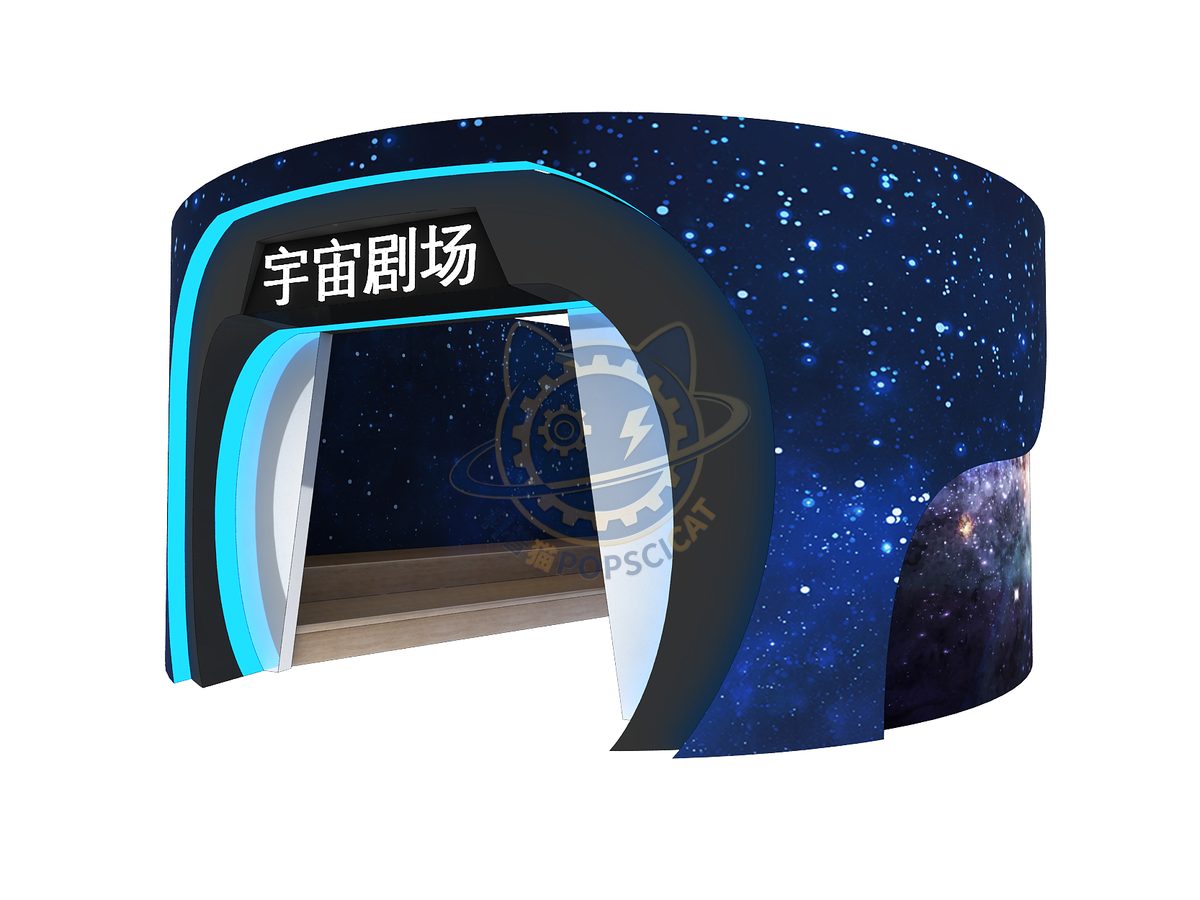
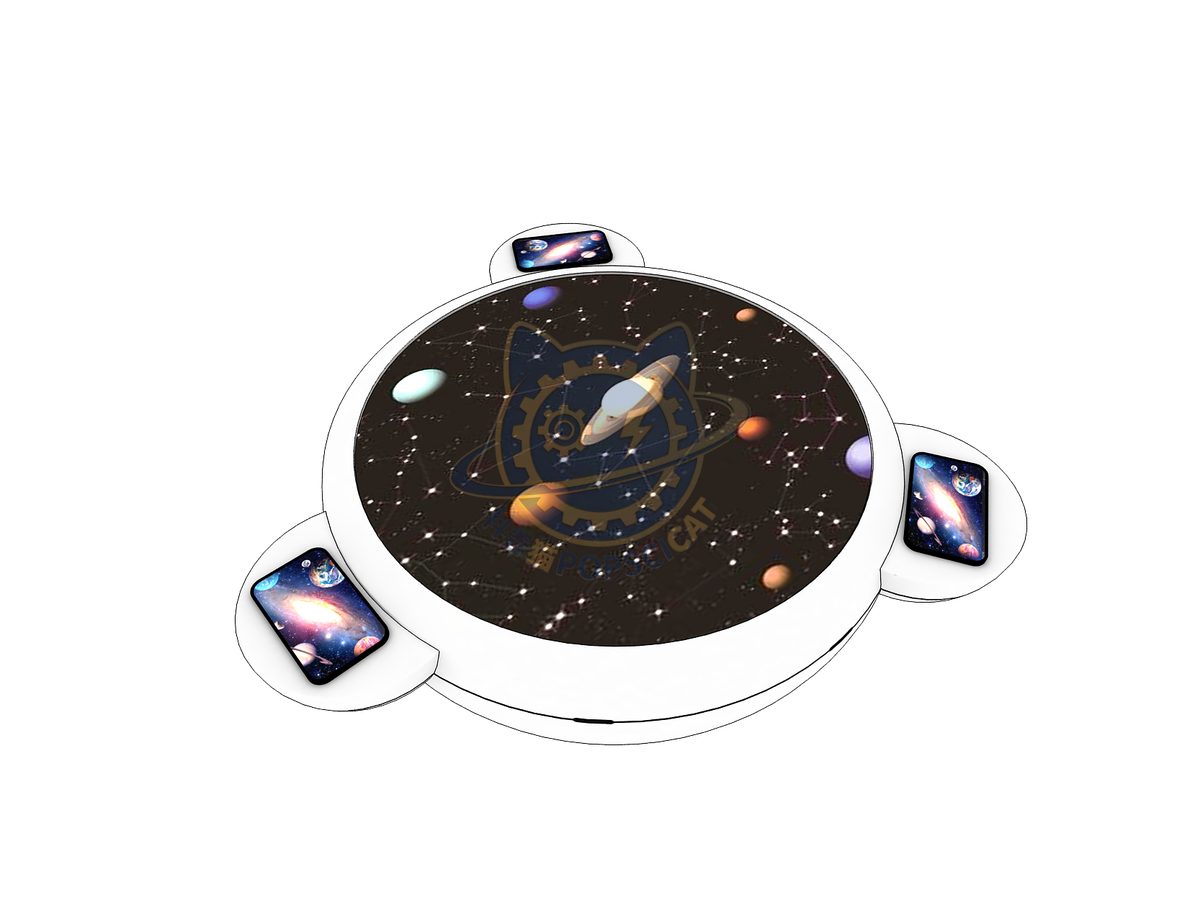
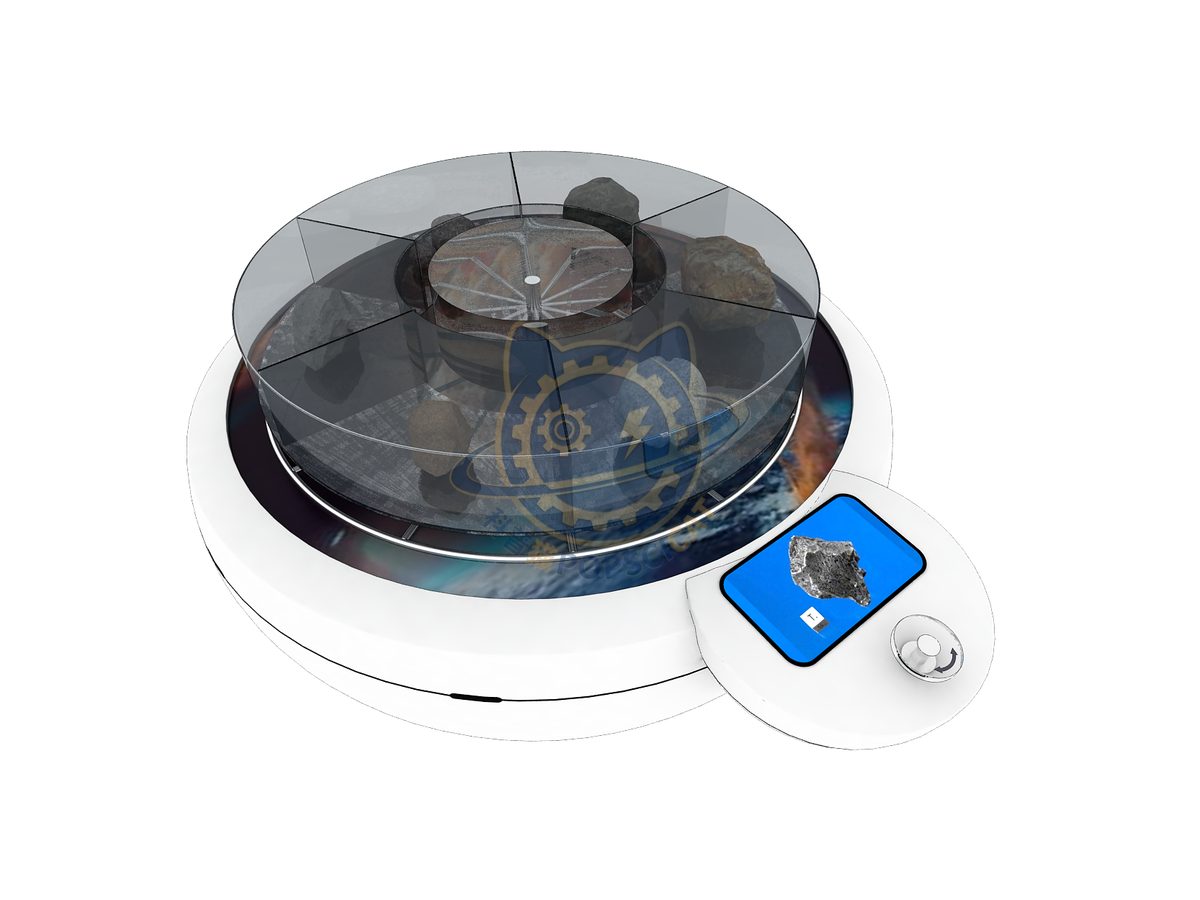
Next, we will enter the "International Space Station.
| Category | Aerospace & Astronomy |
|---|---|
| Interaction | Multimedia interactive |
| Standard size | Built to your floor plan |
| Power | 100–240 V AC, 50/60 Hz, single phase — universal input; no step-down transformer or motor re-tap |
| Supply | Single unit or batch · OEM to your drawing |
| Lead time | Standard 3–6 weeks after deposit (confirmed per contract) |
| Warranty | 1 year, structure and control |
| Documents | Specification sheet · control diagram · spare-part list |
A standard catalogue model: the dimensions, control package and finish are fixed, which is what keeps the price and the lead time predictable. Size, colour and interface language can be adapted without a new design cycle.
Standard models from this range are also listed in our online store, priced in USD — see the price yourself ↗
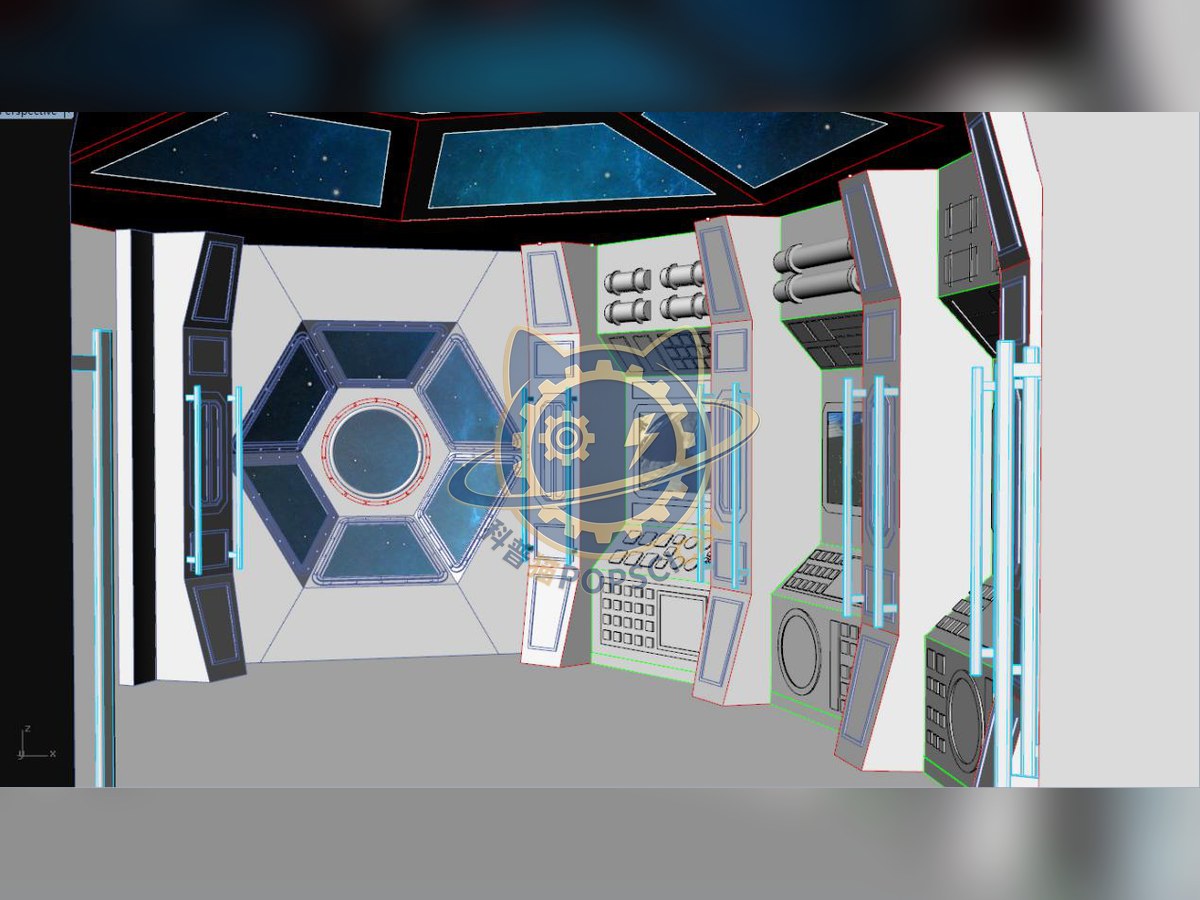
Next, we will enter the "International Space Station." In this model of the "Tiangong Space Station" module, you can observe and learn about the design principles and structure of the interior of the "Tiangong Space Station." Six monitors inside the module display information about the space station, allowing us to gain an in-depth understanding of the astronauts' life, work, and studies in space. At the same time, the suspended windows that you see display various images and text of outer space, cleverly creating different scenes of outer space outside the space station. As we know, the International Space Station was officially started with the launch of its first module (the Zarya Functional Cargo Block) on November 20, 1998, and was officially completed in 2011. It is the largest space station ever built by humankind. It was jointly developed by 16 countries, including the National Aeronautics and Space Administration (NASA), the Russian Federal Space Agency, and the European Space Agency. As a laboratory for scientific research in a microgravity and space environment, the "International Space Station" can be used to conduct scientific research experiments in biology, human life sciences, physics, astronomy, meteorology, and other fields. It is a unique scientific research environment that cannot be replicated or replaced on Earth, and it has greatly helped us humans to understand and transform the world. If you are interested, you can watch the video about the "Tiangong Space Station", which was independently developed by China. The video explains the flight principles and structure of the "Tiangong-1 Target Vehicle", among other things. I am sure you will be proud of our country's technological progress. It is built for unsupervised public use: surfaces are robust and wipe-clean, there are no loose parts, and the interface works without instruction, so a child of about six can operate it on a busy floor.
Interaction type: Multimedia interactive. The unit is designed for unsupervised public use: controls are recessed or shielded, moving parts are enclosed, and the interface is operable by a child of about six with no instruction. Where a screen is used, the language can be switched without changing the hardware, and the content can be replaced on site.
Every unit leaves the factory after a running test: mechanisms cycled, electronics burned in, edges dressed, fixings torqued and marked. Wear parts — bearings, sliders, lamps, belts, touch panels — are modular and listed on the spare-part sheet, so a venue technician can replace them without returning the exhibit. Crating is plywood with foam blocking; the loading plan and packing list travel with the shipment.
Other models from the Aerospace & Astronomy line, all held to the same specification and the same control package.

A curved screen and twelve seats for a six-minute flight.

Move a planet across the band and watch liquid water survive or boil.

A comet model whose tail always points away from the light source.

Real meteorite samples beside a simulated entry trail.
Attach a theme outline, a floor plan, or nothing at all — a photo of the space is enough to start. Quotations are issued against a real exhibit list, not per-square-metre guesses.
Prefer to see the floor before you commit? Factory visits and third-party inspections are welcome.