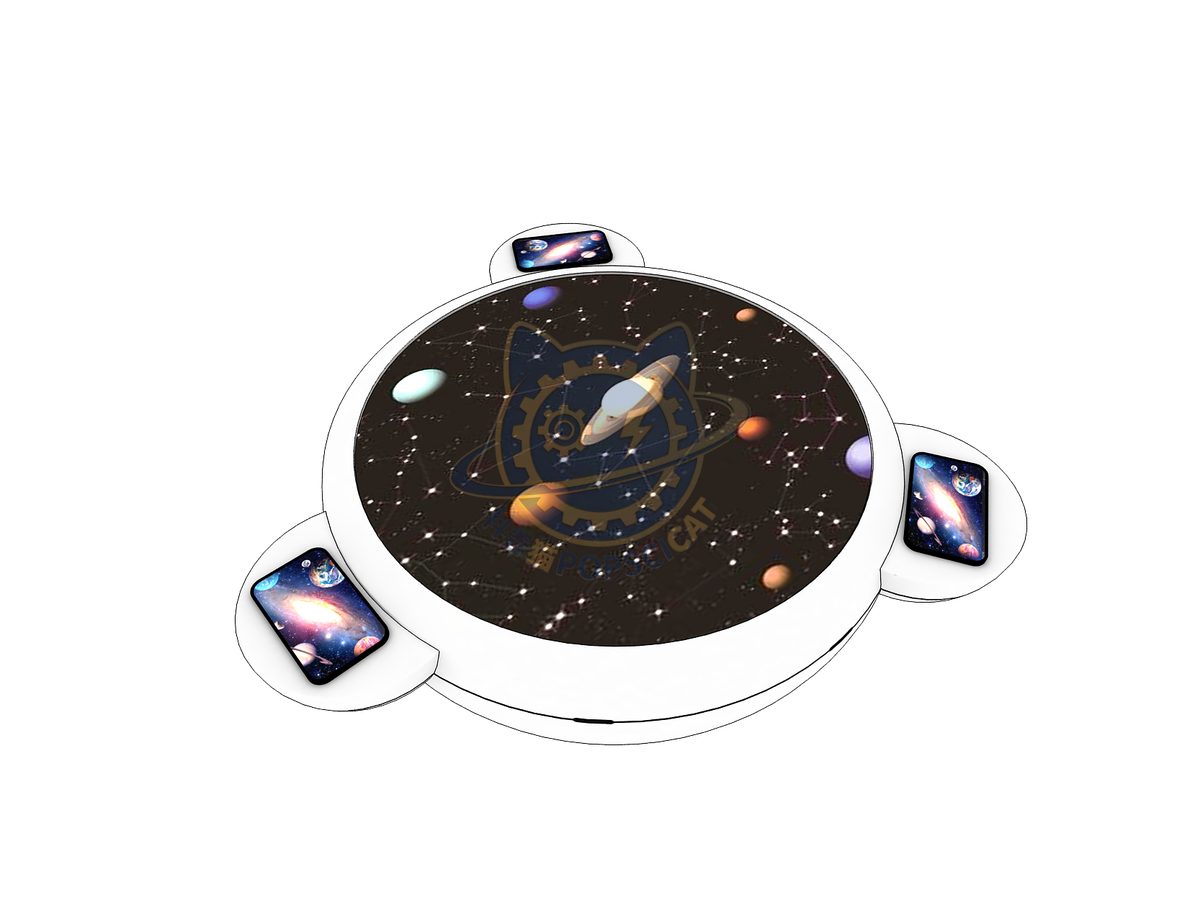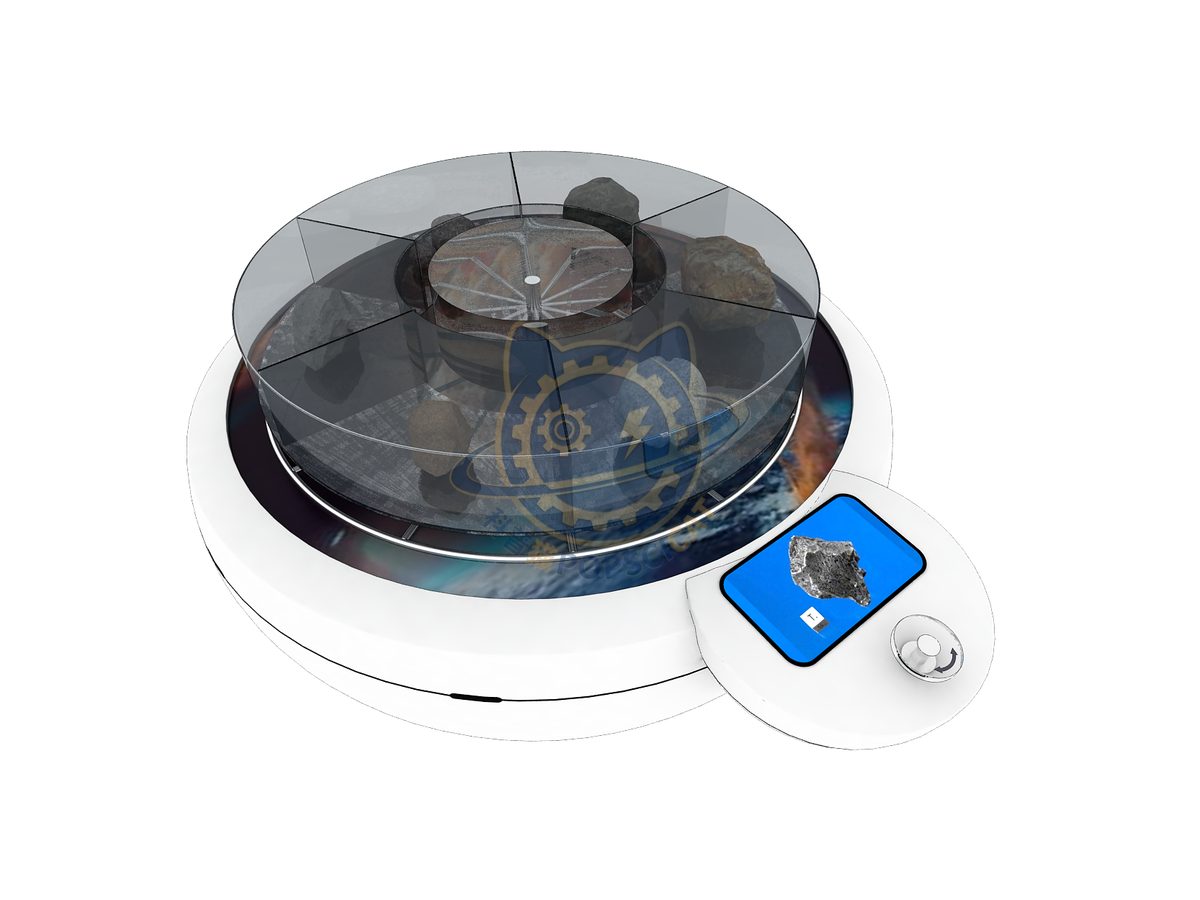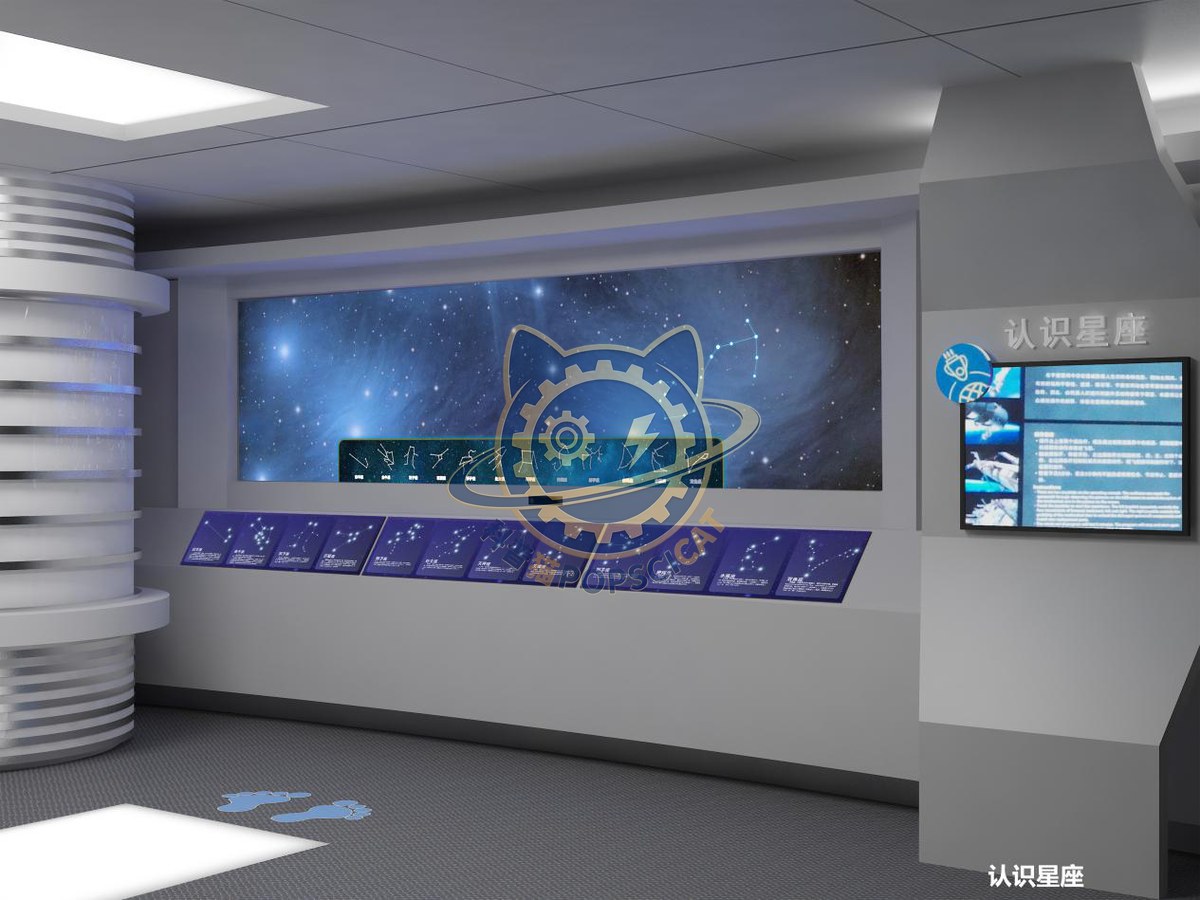
This interesting exhibit is called "Getting to Know the Constellations".
| Category | Aerospace & Astronomy |
|---|---|
| Interaction | Multimedia interactive |
| Standard size | Built to your floor plan |
| Power | 100–240 V AC, 50/60 Hz, single phase — universal input; no step-down transformer or motor re-tap |
| Supply | Single unit or batch · OEM to your drawing |
| Lead time | Standard 3–6 weeks after deposit (confirmed per contract) |
| Warranty | 1 year, structure and control |
| Documents | Specification sheet · control diagram · spare-part list |
A standard catalogue model: the dimensions, control package and finish are fixed, which is what keeps the price and the lead time predictable. Size, colour and interface language can be adapted without a new design cycle.
Standard models from this range are also listed in our online store, priced in USD — see the price yourself ↗
This interesting exhibit is called "Getting to Know the Constellations". When it comes to constellations, everyone immediately thinks of the twelve zodiac signs. By the way, the twelve zodiac signs are also known as the twelve signs of the zodiac. The twelve signs of the zodiac are synonymous with the positions in the universe. In astrology, the positions of the celestial bodies on the zodiac at the time of a person's birth are used to describe that person's innate character and talents. So, how did the constellations come about? In ancient times, in order to facilitate orientation and astronomical observation during navigation, the stars scattered across the sky were connected. Half of them were named in ancient times, and the other half were named in modern times. However, due to differences in geography and civilization, the divisions and names also differed. It was not until 1930 that the International Astronomical Union standardized the division of constellations, using precise boundaries to divide the sky into 88 official constellations, so that every star in the sky belonged to a specific constellation. This truly gave each star its "official registration." For example, the well-known Big Dipper, which is shaped like a ladle, belongs to the constellation Ursa Major. The star at the head of the ladle is not very bright but is very famous. It is the North Star, which is always in the north and is a good guide at night. It is built for unsupervised public use: surfaces are robust and wipe-clean, there are no loose parts, and the interface works without instruction, so a child of about six can operate it on a busy floor.
Interaction type: Multimedia interactive. The unit is designed for unsupervised public use: controls are recessed or shielded, moving parts are enclosed, and the interface is operable by a child of about six with no instruction. Where a screen is used, the language can be switched without changing the hardware, and the content can be replaced on site.
Every unit leaves the factory after a running test: mechanisms cycled, electronics burned in, edges dressed, fixings torqued and marked. Wear parts — bearings, sliders, lamps, belts, touch panels — are modular and listed on the spare-part sheet, so a venue technician can replace them without returning the exhibit. Crating is plywood with foam blocking; the loading plan and packing list travel with the shipment.
Other models from the Aerospace & Astronomy line, all held to the same specification and the same control package.

A curved screen and twelve seats for a six-minute flight.

Move a planet across the band and watch liquid water survive or boil.

A comet model whose tail always points away from the light source.

Real meteorite samples beside a simulated entry trail.
Attach a theme outline, a floor plan, or nothing at all — a photo of the space is enough to start. Quotations are issued against a real exhibit list, not per-square-metre guesses.
Prefer to see the floor before you commit? Factory visits and third-party inspections are welcome.