| Category | Digital & AI |
|---|---|
| Interaction | Touch-screen and sensor-driven interaction |
| Standard size | Built to your floor plan |
| Power | 100–240 V AC, 50/60 Hz, single phase — universal input; no step-down transformer or motor re-tap |
| Supply | Single unit or batch · OEM to your drawing |
| Lead time | Standard 3–6 weeks after deposit (confirmed per contract) |
| Warranty | 1 year, structure and control |
| Documents | Specification sheet · control diagram · spare-part list |
A standard catalogue model: the dimensions, control package and finish are fixed, which is what keeps the price and the lead time predictable. Size, colour and interface language can be adapted without a new design cycle.
Standard models from this range are also listed in our online store, priced in USD — see the price yourself ↗
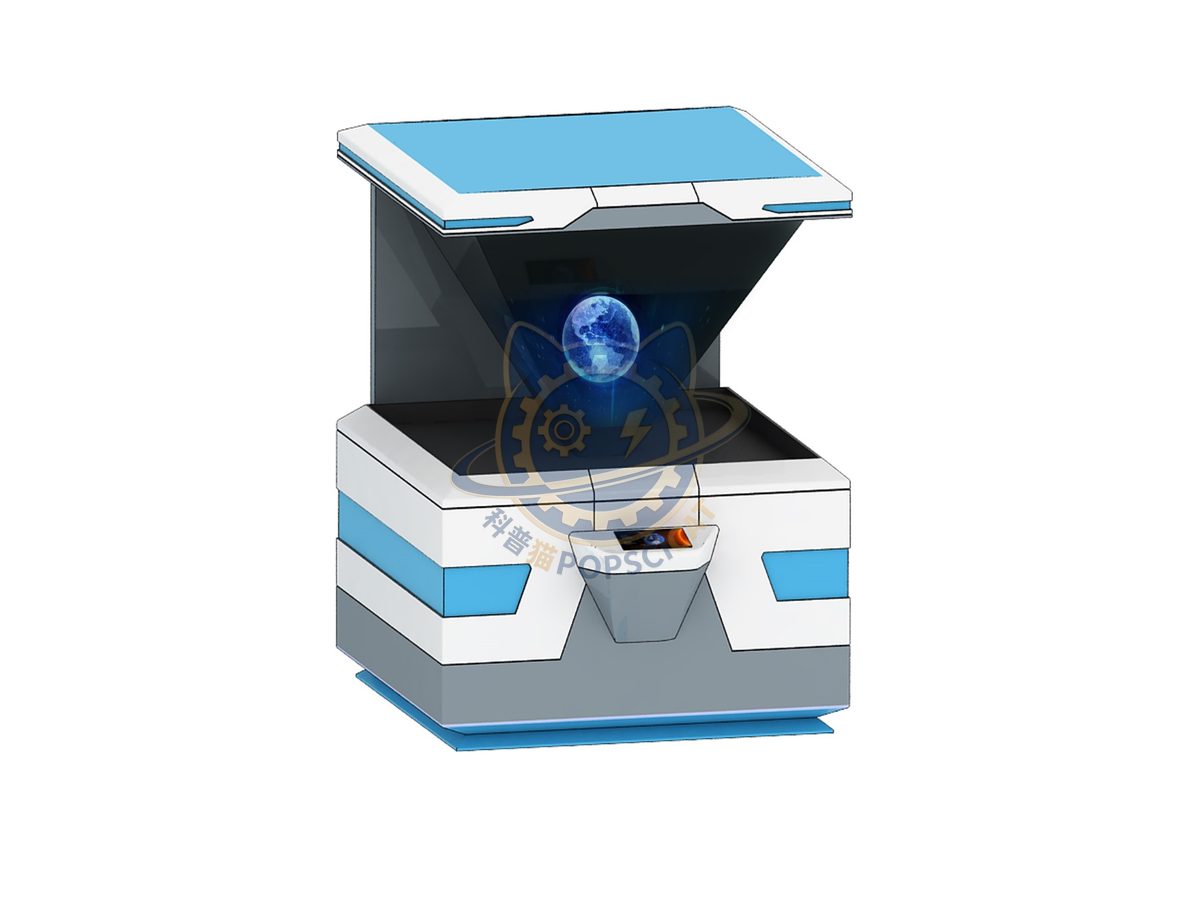
1. Physiological parameter measurement: 1 Heart rate monitoring: Use a touch sensor to monitor the heart rate of attendees in real time and display the results on the screen. 2. Blood oxygen saturation measurement: Demonstration of blood oxygen level measurement using a touch sensor. 3. Body temperature measurement: A non-contact infrared thermometer demonstrates the technology for quickly measuring body temperature. 2. Body structure analysis: 1 Body shape analysis: Use 3D scanning technology to analyze body shape and assess weight, height-to-weight ratio, etc. 2. Posture analysis: Analyze standing or sitting postures using computer vision technology to identify potential poor postures. 3. Data feedback: 1. Personal health report: Provide personalized health reports to attendees after they have participated in the assessments, offering recommendations for improving their healthy lifestyles. It is built for unsupervised public use: surfaces are robust and wipe-clean, there are no loose parts, and the interface works without instruction, so a child of about six can operate it on a busy floor.
Interaction type: Touch-screen and sensor-driven interaction. The unit is designed for unsupervised public use: controls are recessed or shielded, moving parts are enclosed, and the interface is operable by a child of about six with no instruction. Where a screen is used, the language can be switched without changing the hardware, and the content can be replaced on site.
1. Educate the audience about the importance and necessity of health monitoring. 2. Demonstrate the applications of intelligent sensing technology and computer vision in health monitoring. 3. Provide an interactive experience that allows visitors to personally experience the role of technology in health management. 4. Disseminate scientific knowledge and enhance public awareness and acceptance of health technology. 5. To spark audience interest in health technology and promote the adoption of healthy lifestyles.
Every unit leaves the factory after a running test: mechanisms cycled, electronics burned in, edges dressed, fixings torqued and marked. Wear parts — bearings, sliders, lamps, belts, touch panels — are modular and listed on the spare-part sheet, so a venue technician can replace them without returning the exhibit. Crating is plywood with foam blocking; the loading plan and packing list travel with the shipment.
Other models from the Digital & AI line, all held to the same specification and the same control package.

Hundreds of orbiting nodes light up to show global coverage.

Mechanical fingers play a request chosen by the visitor.

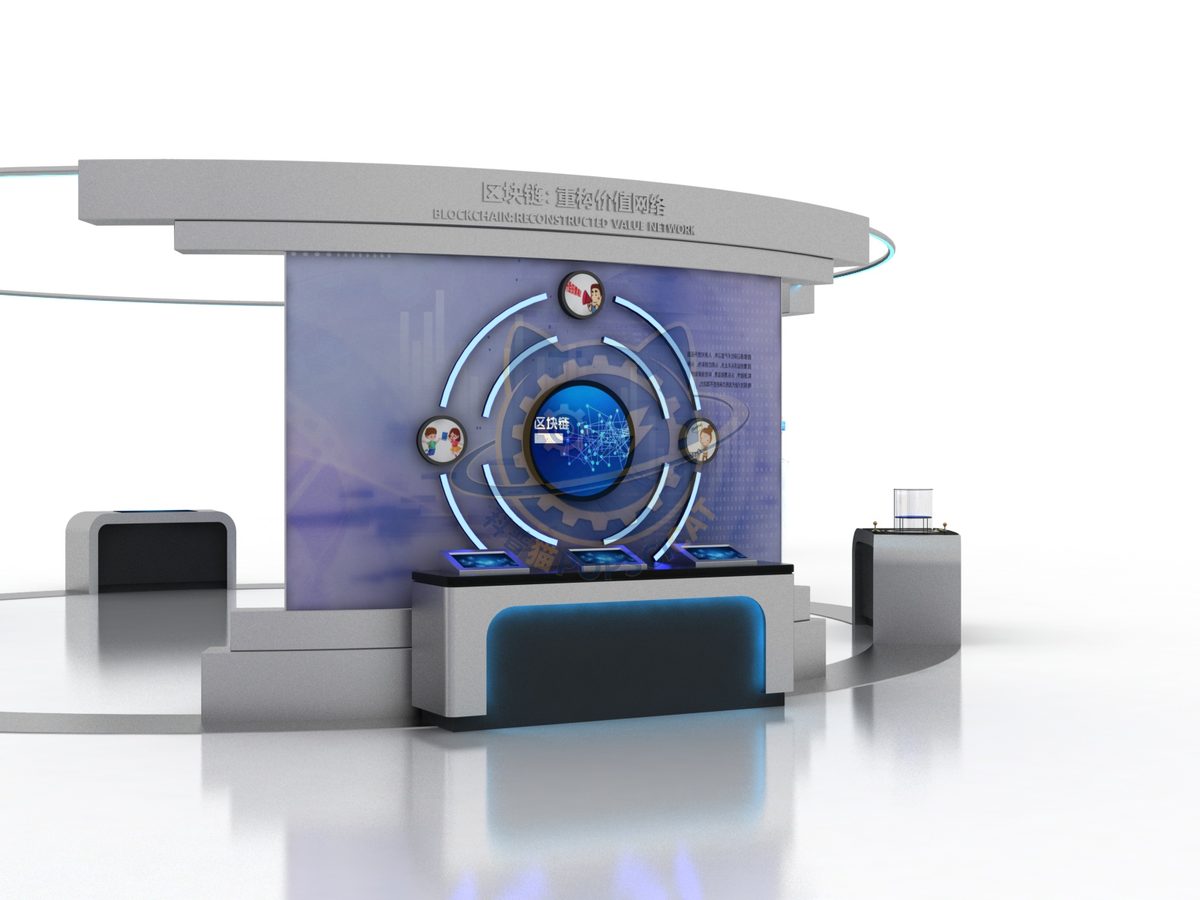
A chain of blocks that cannot be edited once the next one is added.

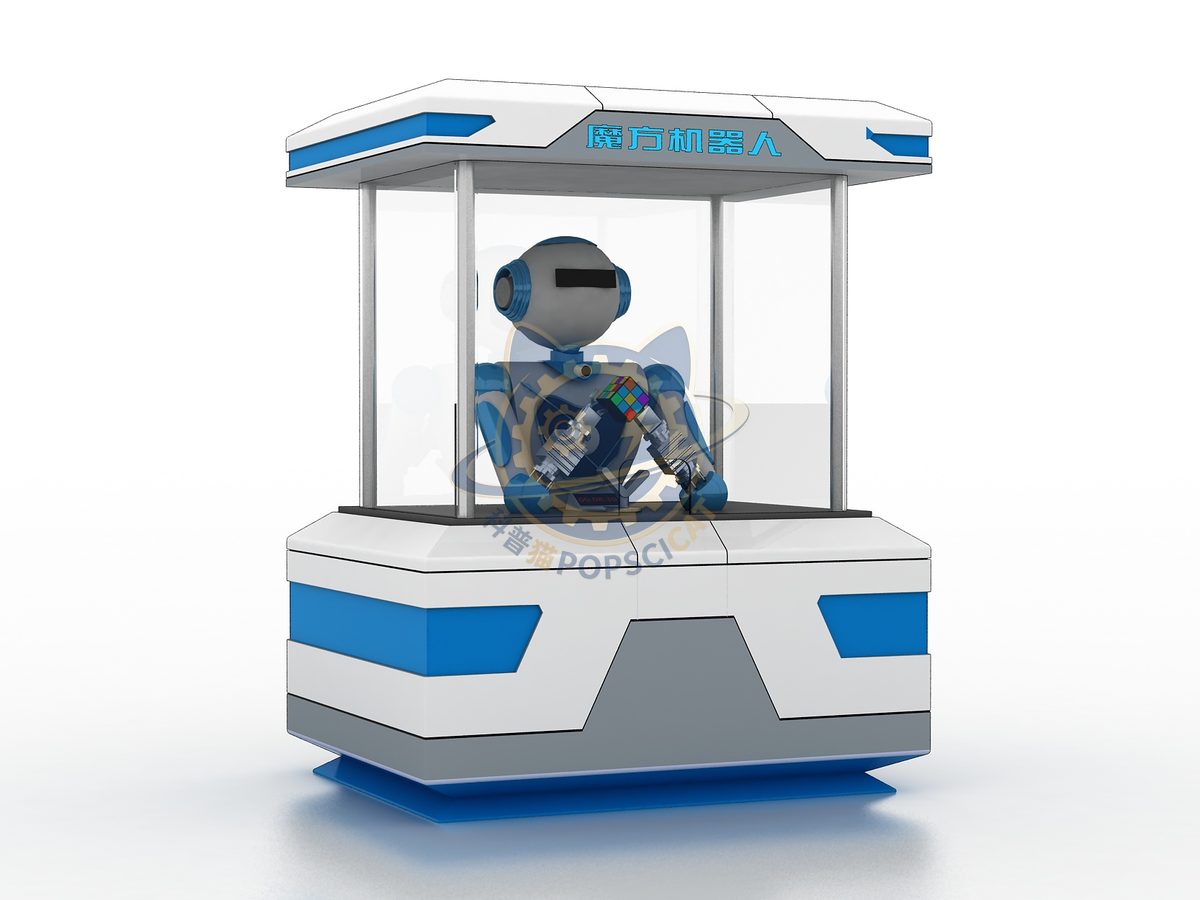
A camera reads a scrambled cube; the arm solves it in under a minute.
Attach a theme outline, a floor plan, or nothing at all — a photo of the space is enough to start. Quotations are issued against a real exhibit list, not per-square-metre guesses.
Prefer to see the floor before you commit? Factory visits and third-party inspections are welcome.